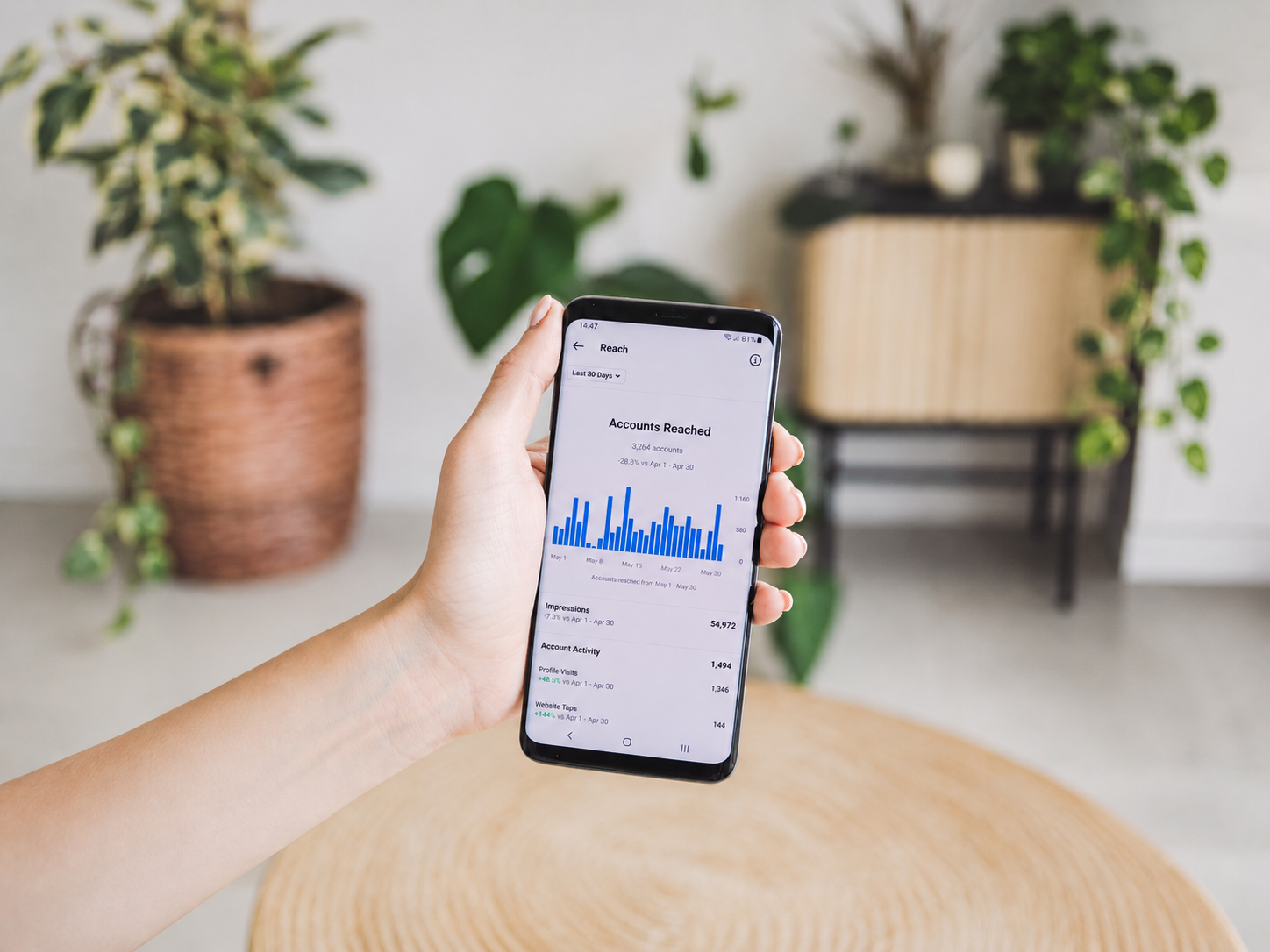
The ads are working. Google says so, Meta says so, and the lead count went up again last month. Census didn’t.
That gap is common, and it usually isn’t the ads. Paid search and paid social are very good at producing inquiries. What happens after the inquiry, the call at 9 p.m., the form nobody opens until Monday, the benefits check that takes three days, decides whether the money turns into an admission.
The short answer: The patient acquisition strategies that end in admissions treat a paid click as the first step, not the finish line. They run Google and Meta ads only when intake can answer, screen for program and payer fit before the click, respond within minutes, and judge every campaign by cost per admission in your own CRM or EMR, not by the conversions the ad platform reports.
Key takeaways
- Paid ads buy inquiries. Intake turns them into admissions, so the two have to be planned together.
- Match ad schedules to intake coverage. After-hours calls that hit voicemail are paid leads you’ve already lost.
- Filter in the ad and on the landing page: level of care, location, and insurance belong before the click, not after it.
- Speed matters more than volume. A qualified lead answered in minutes is worth more than three answered tomorrow.
- Measure cost per admission by campaign, reconciled against your own systems, with tracking that keeps protected health information away from ad platforms.
Quick self-check: are your paid ads ending in admissions?
Answer yes or no.
- Do you know your cost per admission for Google Ads and Meta ads separately?
- Does someone answer every call your ads produce, including nights and weekends?
- Do form leads from ads get a reply within 15 minutes during business hours?
- Does your ad copy say which level of care, location, and insurance you accept?
- Does each campaign send people to a page about that specific program, not your home page?
- Can you see which campaign and keyword produced last month’s admissions?
- Has someone reviewed your tracking setup for protected health information in the last year?
Two or more “no” answers usually mean the ads are fine and the path after them is leaking. The rest of this guide is about that path.
What Are Patient Acquisition Strategies?
Patient acquisition strategies are the plans a healthcare organization uses to bring in new patients, residents, or clients, from the first ad someone sees to the day they start care. For most operators, paid search and paid social are the fastest lever in that plan, because they put you in front of people who are looking right now and can go live within days, rather than taking months to have an impact.
A few terms come up throughout this guide:
- Performance marketing is marketing judged by measurable business outcomes, such as qualified calls, admissions, and starts of care, rather than impressions or clicks.
- A lead is any inquiry: a call, a form, a chat. An admission is a person who starts care. The distance between the two is where most paid budgets leak.
- Speed to lead is the time between an inquiry arriving and a person on your team responding to it.
- Cost per admission is total ad spend for a period divided by the admissions that spend produced.
Why Paid Ads Stop at the Lead
Ad platforms are built to find more of whatever you tell them counts. If a form fill or a 30-second call is the conversion, the campaign will get very good at producing form fills and short calls, whether or not anyone admits.
That matters more in healthcare than in most categories, for three reasons.
The pool of people ready to act is small. In SAMHSA’s 2024 National Survey on Drug Use and Health, about 1 in 5 people who needed substance use treatment received it (19.3%, or 10.2 million). Among adults with a substance use disorder who didn’t get treatment, only 0.7%, about 276,000 people, sought it. Every one of those inquiries is worth answering well.
Competition for the click is real. SAMHSA’s 2024 National Substance Use and Mental Health Services Survey counted 15,953 substance use treatment facilities and 14,091 mental health treatment facilities in the U.S. In senior care, KFF counts 14,742 certified nursing facilities serving about 1.24 million residents, based on July 2025 data. A family searching in Tampa, Phoenix, or northern New Jersey sees several ads before they see yours.
People compare before they call. Pew Research Center found in June 2026 that 34% of U.S. adults have used AI chatbots for a health reason, and 22% used them for information about treatments. Someone who clicks your ad has often already read about their options. They’re deciding who to trust, and the next five minutes decide it.
None of this is a problem with Google or Meta. It’s a problem with where the measurement stops. Patient acquisition strategies that end in admissions extend the campaign past the click, into intake.
Where Paid Leads Leak Between the Click and the Admission
Most paid leads that don’t admit fall out at one of six stages. Count each stage for one month, by campaign, and the biggest drop usually points to the fix.
| Stage | Where paid leads leak | What to check |
| Click | Broad keywords and broad audiences bring people you can’t serve | Search terms report, placement and audience reports, negative keywords |
| Inquiry | The landing page doesn’t match the ad, or the form asks too much | Ad-to-page match, form length, phone number visible on mobile |
| Answered | Calls ring out after hours or roll to voicemail; forms sit unread | Answer rate by hour and day, time to first response |
| Qualified | Wrong level of care, wrong location, or out-of-network insurance | Share of inquiries disqualified, and the reasons |
| Verified | Benefits checks take days while the person keeps calling other programs | Hours from inquiry to verification of benefits |
| Admitted | No follow-up after the first call; no handoff between shifts | Follow-up attempts per lead, inquiry-to-admission rate |
The “answered” stage deserves a closer look, because it’s where paid budgets disappear without anyone noticing. In a 2023 secret shopper study by the University of Kentucky’s Center on Drug and Alcohol Research, callers posing as people seeking treatment at Kentucky’s public community mental health centers got an appointment on 88.4% of business-hours calls. After hours, that fell to 10.7%. Most after-hours calls, 82.1%, ended with “call back” or a voicemail, and 45.5% of promised callbacks never came.
Those were public centers, not private programs running ads. But the lesson carries over to any program running ads around the clock: if the ad runs at 10 p.m. and nobody answers, the click is paid for and the person calls someone else. If you’re not sure which stage is costing you the most, start with a growth diagnostic.
Paid Search vs. Paid Social for Patient Acquisition
Google search ads and Meta ads do different jobs. Search catches people who are already looking. Social reaches people who aren’t searching yet, and the family members around them.
| Paid search (Google Ads) | Paid social (Meta: Facebook and Instagram) | |
| Who you reach | People searching for care now | People not searching yet; family members; past site visitors where policy allows |
| Intent | High | Low to medium |
| Typical first result | Calls within days | Inquiries and form fills within weeks |
| Biggest leak | After-hours calls; broad keywords | Low-intent forms; slow follow-up |
| What to measure | Cost per qualified call, cost per admission | Cost per qualified inquiry, assisted admissions |
| Rules to plan around | Health is a sensitive category; addiction services need LegitScript certification | Health data and targeting limits; review Events Manager before choosing conversions |
Fund search first, because it reaches people closest to choosing. Add social once intake can handle the volume, and judge it on qualified inquiries and admissions it assists, not on clicks.
7 Paid Ads Strategies That End in Admissions
Each of these changes what happens after the click, not just how many clicks you buy.
1. Run ads only when someone can answer
Your ad schedule should match your intake schedule. If calls after 8 p.m. go to voicemail, either staff those hours, use an answering service that can do a real first conversation, or lower bids and shift to forms during the hours nobody can pick up.
Check answer rates by hour and day in your call tracking platform, then set the Google Ads schedule to match. A paid call that rings out is the most expensive lead you’ll buy.
2. Filter for fit before the click
The cheapest unqualified lead is the one that never clicks. Build campaigns around the level of care and location you actually have open, and use the ad copy to say it plainly: residential or outpatient, the city or region you serve, and which insurance you accept.
On search, add negative keywords for the searches you can’t serve, such as jobs, careers, free, and levels of care you don’t offer. On social, keep lead forms short and never ask for diagnoses or other health details in the form itself.
3. Give every campaign its own landing page
Someone who clicks an ad for alcohol detox in Ohio, or in-home ABA in northern Virginia, should land on a page about exactly that. Sending paid traffic to the home page asks the person to find their own answer, and many won’t.
A good paid landing page has one program, one location, a visible phone number, insurance information, and a short form. It also says what happens after someone calls. See how we build landing pages and inquiry forms.
4. Respond in minutes, not hours
Research published in Harvard Business Review, “The Short Life of Online Sales Leads,” found that most companies don’t respond to online inquiries nearly fast enough. In healthcare, the cost of a slow reply is concrete: the person who filled out your form at lunch has usually called two other programs by dinner.
Route ad calls straight to intake, send form leads to the CRM with an instant alert, and use automated text or email to acknowledge every inquiry within a minute. Then have a person follow up. More on intake and follow-up.
5. Target within the rules, not around them
If the platform only sees form fills, it will find more form fills. Use call tracking to separate short calls from real conversations, mark which inquiries qualified, and reconcile each campaign against admissions in your CRM or EMR every week.
Automated bidding needs a different target than your reports. You should judge campaigns and move budget by admissions, but bid strategies like Target CPA and Target ROAS learn from volume. Google’s Target ROAS guidance, for example, calls for at least 15 conversions in the past 30 days for Search campaigns. Few campaigns produce that many admissions a month. So point automated bidding at the most valuable event that clears the volume bar, usually qualified calls or verified inquiries. Move it closer to admissions as volume grows.
Do it without exposing patients. Guidance from the HHS Office for Civil Rights says HIPAA-regulated entities may not use tracking technologies in ways that impermissibly disclose protected health information to technology vendors. Send platforms the signal they need, not the patient’s details, and review your setup with counsel. Here’s how we approach reporting and cost per admission.
6. Optimize to qualified outcomes, and measure cost per admission
If the platform only sees form fills, it will find more form fills. Use call tracking to separate short calls from real conversations, mark which inquiries qualified, and reconcile each campaign against admissions in your CRM or EMR every week.
Do it without exposing patients. Guidance from the HHS Office for Civil Rights says HIPAA-regulated entities may not use tracking technologies in ways that impermissibly disclose protected health information to technology vendors. Send platforms the signal they need, not the patient’s details, and review your setup with counsel. Here’s how we approach reporting and cost per admission.
7. Pace spend to capacity
Ads should follow your open beds, caseload, and staffing, not a fixed monthly budget. When residential is full and outpatient has room, the budget should move with it, and so should the ad copy.
Review cost per admission by campaign each month and move money toward what produces admissions. Cut campaigns that produce leads but not patients. We call this capacity-aware marketing.
Not sure where your paid leads are getting lost? Divergent Digital runs Google and Meta ads for healthcare and measures them against the admissions in your own systems. Build your 90-day growth plan.
Paid Ads Patient Acquisition by Sector
The seven strategies hold across healthcare. What changes is who makes the decision and where they search.
Addiction treatment
Search is the main channel, and it runs around the clock, so intake has to as well. Google requires LegitScript certification before addiction services ads can run, and health is a sensitive category, so plan targeting without remarketing lists. Ad copy should state level of care and accepted insurance to cut calls you can’t admit. More on addiction treatment marketing.
ABA therapy
Most searches come from parents shortly after a diagnosis, and need is rising: the CDC’s Autism and Developmental Disabilities Monitoring Network identified about 1 in 31 children aged 8 with autism spectrum disorder in 2022. Keep geo targeting to the area your clinicians can actually serve, and pace spend to open caseload so inquiries don’t outrun staffing. More on ABA therapy marketing.
Nursing homes and skilled nursing
The person searching is often an adult child, sometimes in another state, so location targeting should include where families live, not only the area around the building. Paid ads support referral work with hospital discharge planners rather than replacing it. More on nursing home and senior care marketing.
Home care and home health
Campaigns should follow the service area and the caregivers you have available. A start of care you can’t staff is a lead you shouldn’t have bought. More on home care marketing.
What This Looks Like in Practice
One multi-location addiction treatment client came to us with a familiar problem: paid media optimized for leads, not admissions. In 2025, the client recorded 1,299 admissions, about 108 a month, and its opportunity-to-admission rate rose from 41% to 49%. These are agency-reported results, validated against the client’s own system of record; past results don’t guarantee future ones.
The lesson is the same one this guide keeps coming back to: measure the campaign by what happens after the click.
Patient Acquisition Strategies FAQs
What is the best patient acquisition strategy for paid ads?
The best patient acquisition strategy for paid ads is one measured by cost per admission, not cost per lead. Run search for high-intent demand, match ad hours to intake hours, send each campaign to a matching landing page, and reconcile results against admissions in your own CRM or EMR.
Are Google Ads or Meta ads better for healthcare patient acquisition?
Google search ads usually come first, because they reach people actively looking for care. Meta ads work best as a second channel, reaching people not searching yet and family members, once intake can handle the volume and search has reached a point of diminishing returns.
Why do my ads generate leads but not admissions?
Usually because the leak is after the click: unanswered calls, slow follow-up, wrong-fit inquiries, or slow benefits checks. Count each stage from inquiry to admission by campaign, and fix the stage with the biggest drop before adding budget. Also, by telling your ad platform to optimize towards leads through smart bidding, you are not giving platforms the information needed to find “good” lead, just leads. Feed the platforms higher-value signals (with privacy checks in place), and they should optimize towards those events.
What is a good cost per admission?
There’s no single benchmark, because it depends on what an admission is worth to your program, your payer mix, and your level of care. Work backward from the value of an admission after the cost of care to find the most you can afford per admission, and per qualified call.
Can healthcare providers use remarketing?
Often not in the usual way. Google treats health as a sensitive interest category, so advertiser-built audiences such as remarketing lists and Customer Match can’t be used to promote health services like addiction or mental health counseling. Google’s predefined audiences and location targeting are still allowed.
How fast should intake respond to a paid lead?
Within minutes. Answer ad calls live whenever ads are running, acknowledge form leads automatically right away, and have a person follow up as soon as possible, ideally within the same hour.
Do addiction treatment centers need approval to run Google Ads?
Yes. Addiction services advertisers need LegitScript certification before Google will run their ads. Plan for the approval time before launching campaigns.
Turn Paid Leads Into Admissions
You’ve built something worth choosing. Paid ads make sure people find it. What happens in the next five minutes decides whether they choose it.
Divergent Digital is a healthcare performance marketing agency based in Suffern, New York, working with addiction treatment centers, ABA providers, nursing homes, and home care agencies across the country. Our /grow plan connects Google and Meta ads with intake follow-up and closed-loop reporting, so every campaign is judged by admissions. No percentage of ad spend. No billing until we have access. Build your 90-day growth plan.
For the bigger picture, read how to build a healthcare marketing strategy.
Sources
- Substance Abuse and Mental Health Services Administration. Highlights for the 2024 National Survey on Drug Use and Health. 2025.
- Substance Abuse and Mental Health Services Administration. 2024 National Substance Use and Mental Health Services Survey (N-SUMHSS) Annual Report. September 30, 2025.
- KFF. A Look at Nursing Facility Characteristics in 2025. December 17, 2025.
- Pew Research Center. From Diagnoses to Treatments, Why Americans Use AI Chatbots for Health. August 25, 2026.
- Logan, T.K., et al., University of Kentucky Center on Drug and Alcohol Research. Hello, Is Anyone There? Results of a Secret Shopper Project. 2023.
- Oldroyd, J.B., McElheran, K., and Elkington, D. The Short Life of Online Sales Leads. Harvard Business Review, March 2011.
- Centers for Disease Control and Prevention. Prevalence and Early Identification of Autism Spectrum Disorder Among Children Aged 4 and 8 Years, ADDM Network, 2022. MMWR Surveillance Summaries, April 17, 2025.
- U.S. Department of Health and Human Services, Office for Civil Rights. Use of Online Tracking Technologies by HIPAA Covered Entities and Business Associates.
- Google Ads. Health in personalized advertising.
- Google Ads. Healthcare: Addiction services.